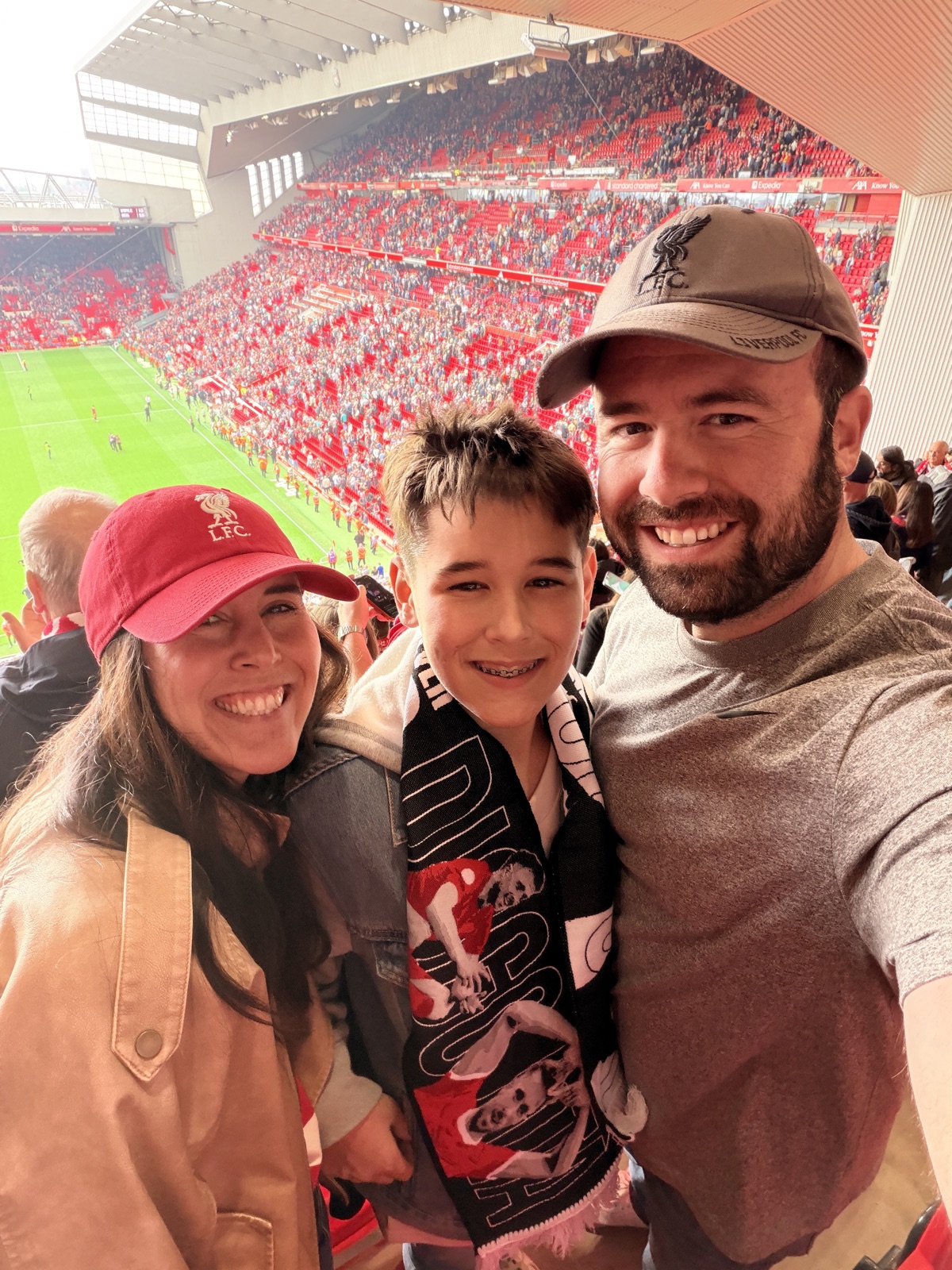
Cancelled at Euston: The Morning My AI Chief of Staff Got Us to Anfield
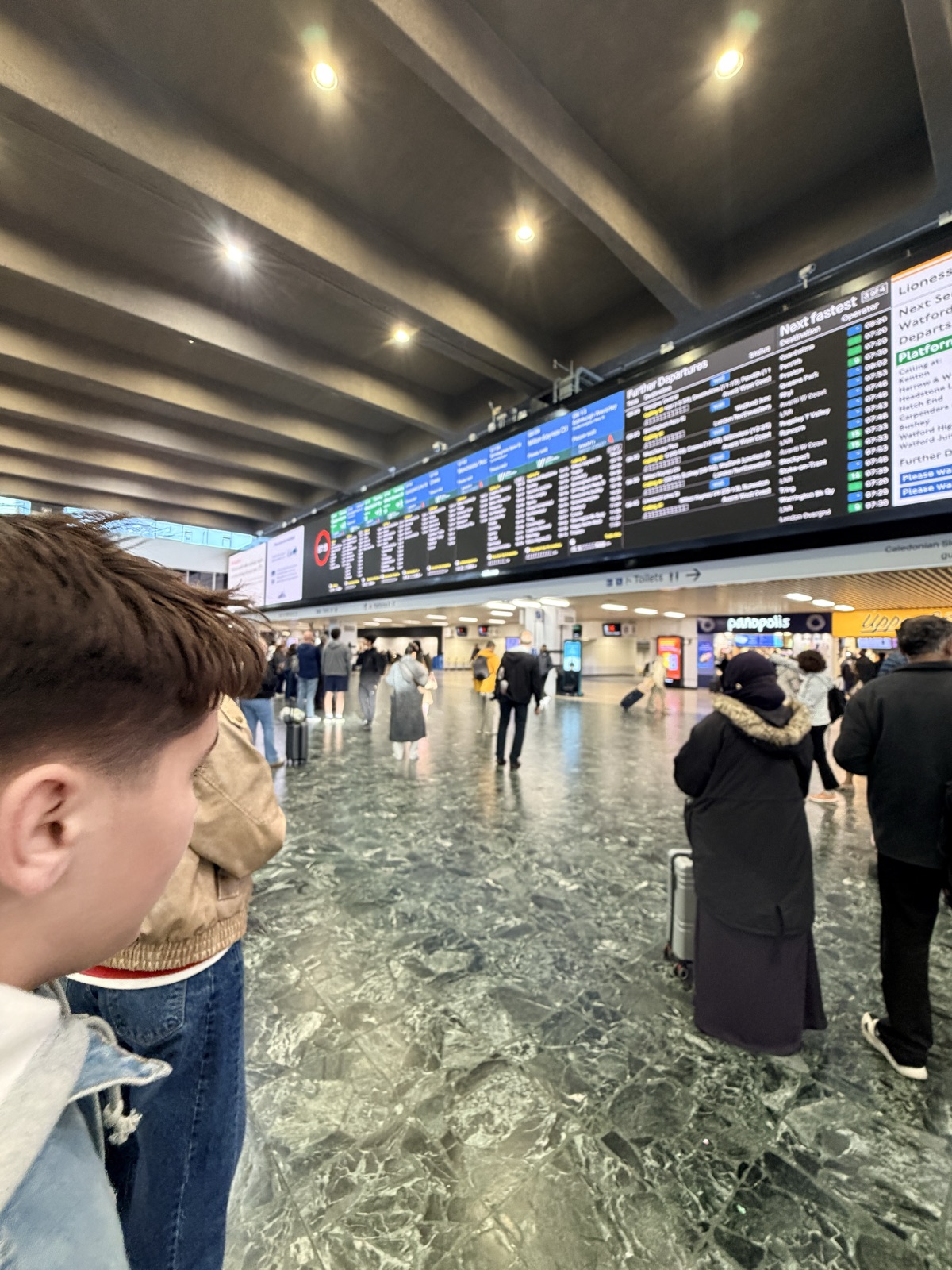
Back in May I took my wife and son to England. The centerpiece of the trip: an early Saturday train from London to Liverpool to watch the Reds play at Anfield. If you've never done a Premier League match day as an American, the logistics are half the adventure — train to Lime Street, hospitality lounge at the Crowne Plaza, coach to the stadium, kickoff at 12:30.
I plan trips the way I run my businesses now: my AI chief of staff, Zeke, holds the details. Zeke has his own email address, and as we booked the trip I'd forwarded him every confirmation that hit my inbox — trains, hotel, match tickets, the hospitality itinerary. No setup beyond that. So when I asked him the night before to brief me on the morning, he already had everything, and he laid out the whole day — train times, seats, how to get to Euston station from our hotel, when the coach left for Anfield, how much buffer we had.
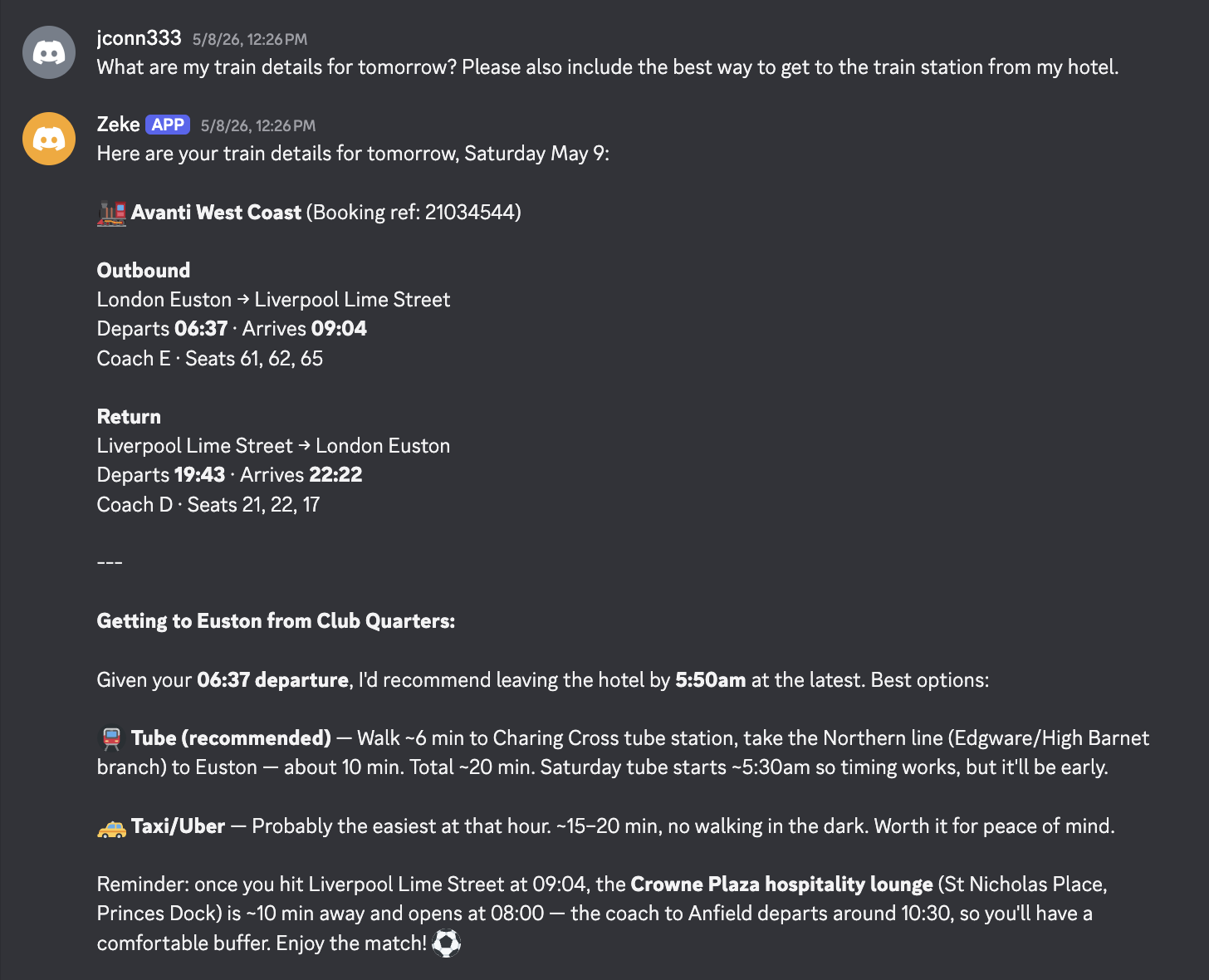
Quick note on the timestamps you'll see in these screenshots: Discord shows them in Ohio time. It was five hours later where we were standing — 1:29 AM Eastern is 6:29 AM in London, on a train-station bench, holding coffee.
The board lights up
We got to Euston early for the 06:37. First the departure board showed a delay, so I asked Zeke why — and he came back in seconds with the actual cause, pulled from live sources: a train had hit an obstruction on the line, delays up to 20 minutes, expected clear by 08:00. Annoying, survivable.
Four minutes later the board flipped to CANCELLED.
Here's the thing nobody tells you about being a foreigner in a UK train station at 6:30 in the morning: there's no app holding your hand. Nothing offering you thirteen rebooking options. The board just says cancelled, and everyone around you seems to know something you don't. I had a wife, a son, match tickets, and no idea what happens next.
So I typed the most honest sentence of the trip: "Our train was just cancelled. What do I do?"
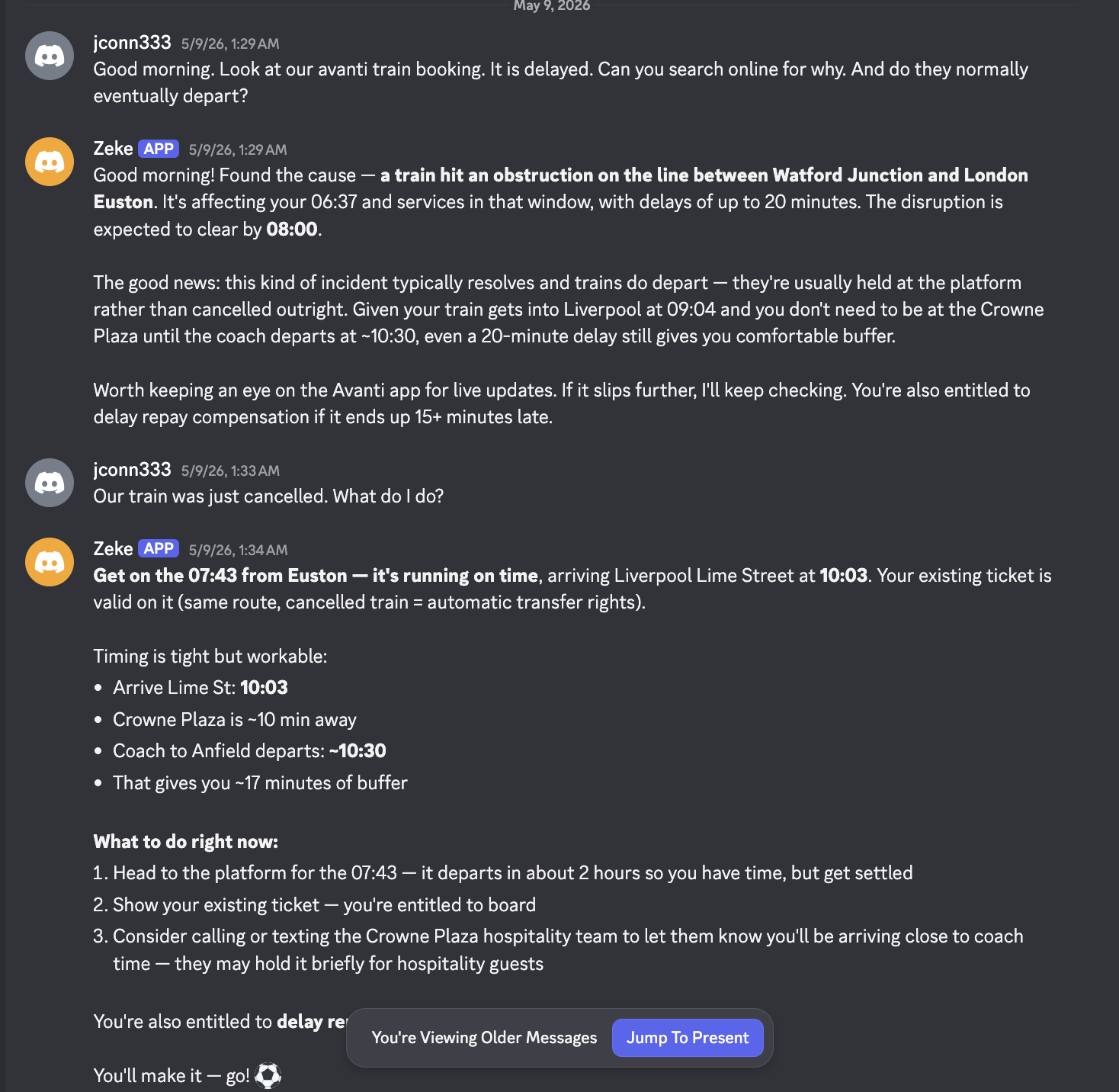
One minute later I had a plan: get on the 07:43, it's running on time, your existing ticket is valid on it — cancelled train means automatic transfer rights. New arithmetic for the morning: arrive 10:03, lounge is ten minutes away, coach leaves at 10:30, seventeen minutes of buffer. Then three concrete steps, including calling the hospitality desk so they'd know we were cutting it close.
The questions you actually ask at 6:30am
What I love about this conversation, reading it back months later, is how unglamorous it is. I wasn't asking for anything clever. I was asking the panicked, practical questions any traveler asks — and getting straight answers instead of reassurance.
Will the next train even have room for the three of us?
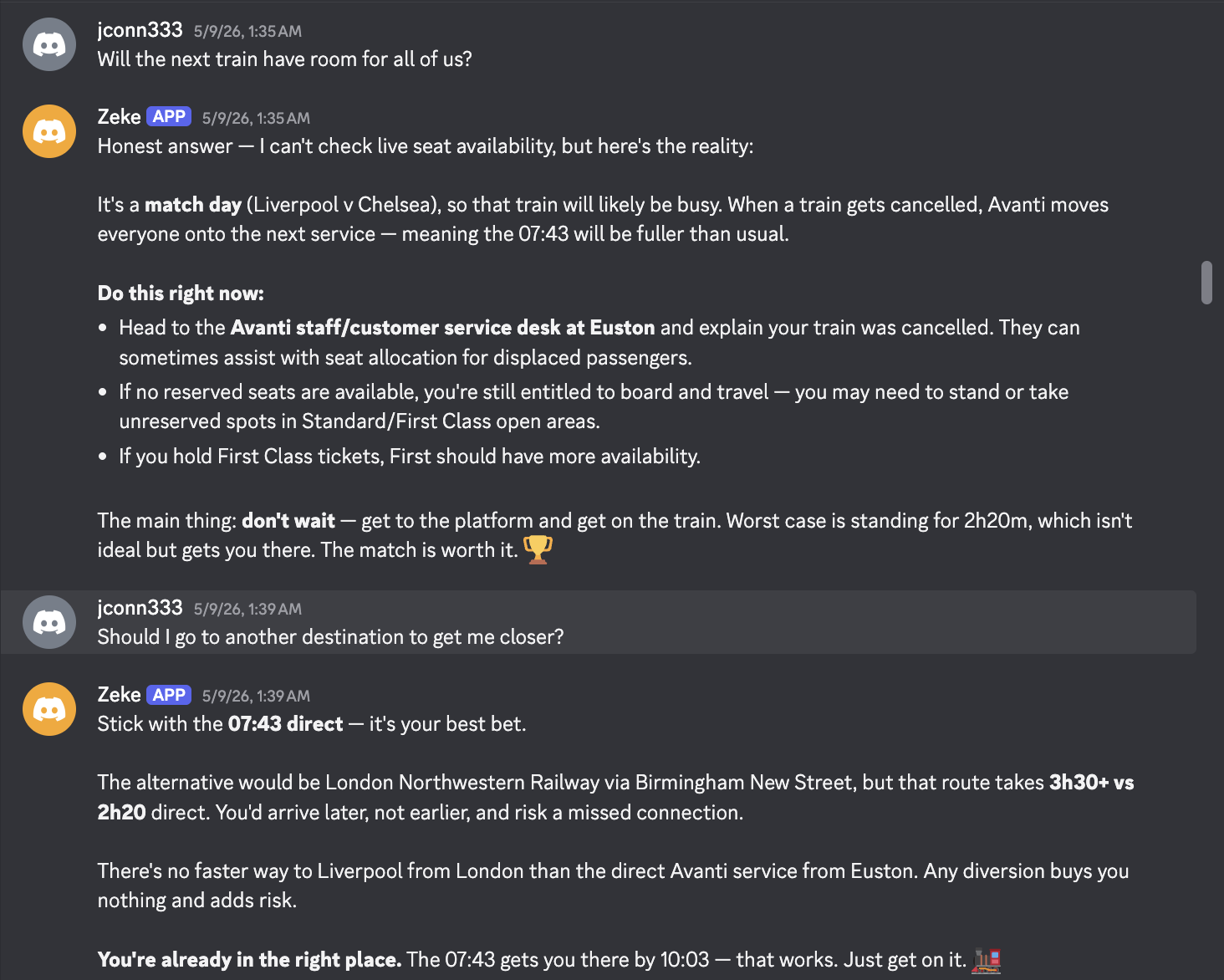
No hedging: it's match day, the train will be packed, here's the customer service desk move, and worst case you stand for two hours and twenty minutes — "which isn't ideal but gets you there. The match is worth it."
Then the logistics of a train system I'd never ridden: how do I know which cars are emptiest? Is it true there are little indicators showing which seats are reserved?
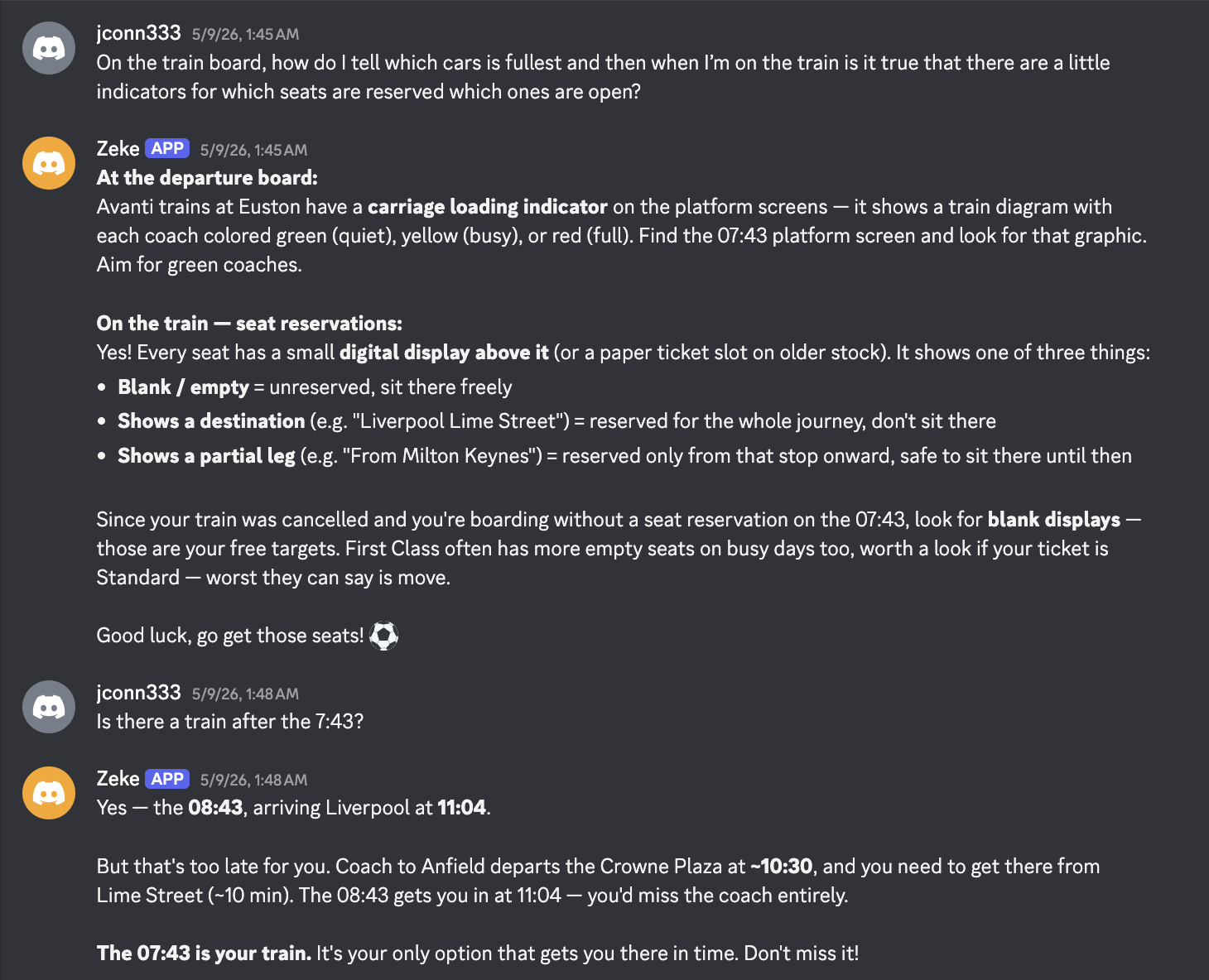
A complete crash course: the platform screens show each coach colored green, yellow, or red; every seat has a display above it; blank display means sit down. And when I asked about the train after the 07:43 — just in case — the answer was the one I needed to hear: the 08:43 gets in at 11:04, you'd miss the coach entirely. The 07:43 is your train. Don't miss it.
Priorities, options, backups
I told Zeke the real priority: worst case we skip the pre-match hospitality — we just have to make the game. While we waited, he kept working the problem: he ranked the fallback options (our tickets were phone passes, so we could taxi straight to Anfield and skip the lounge entirely), priced out the alternatives I asked about anyway — a £400 match-day taxi, no viable flights, a slower route through Birmingham — and kept pulling live updates on the disruption, which had turned out to be overhead wire damage. His honest take never wavered: the 07:43 is still the answer, and here's the exact trigger point where you'd open Uber — but don't book it yet. That last part matters. A lesser advisor panic-books the taxi. A good one tells you when you would.
Platform 4
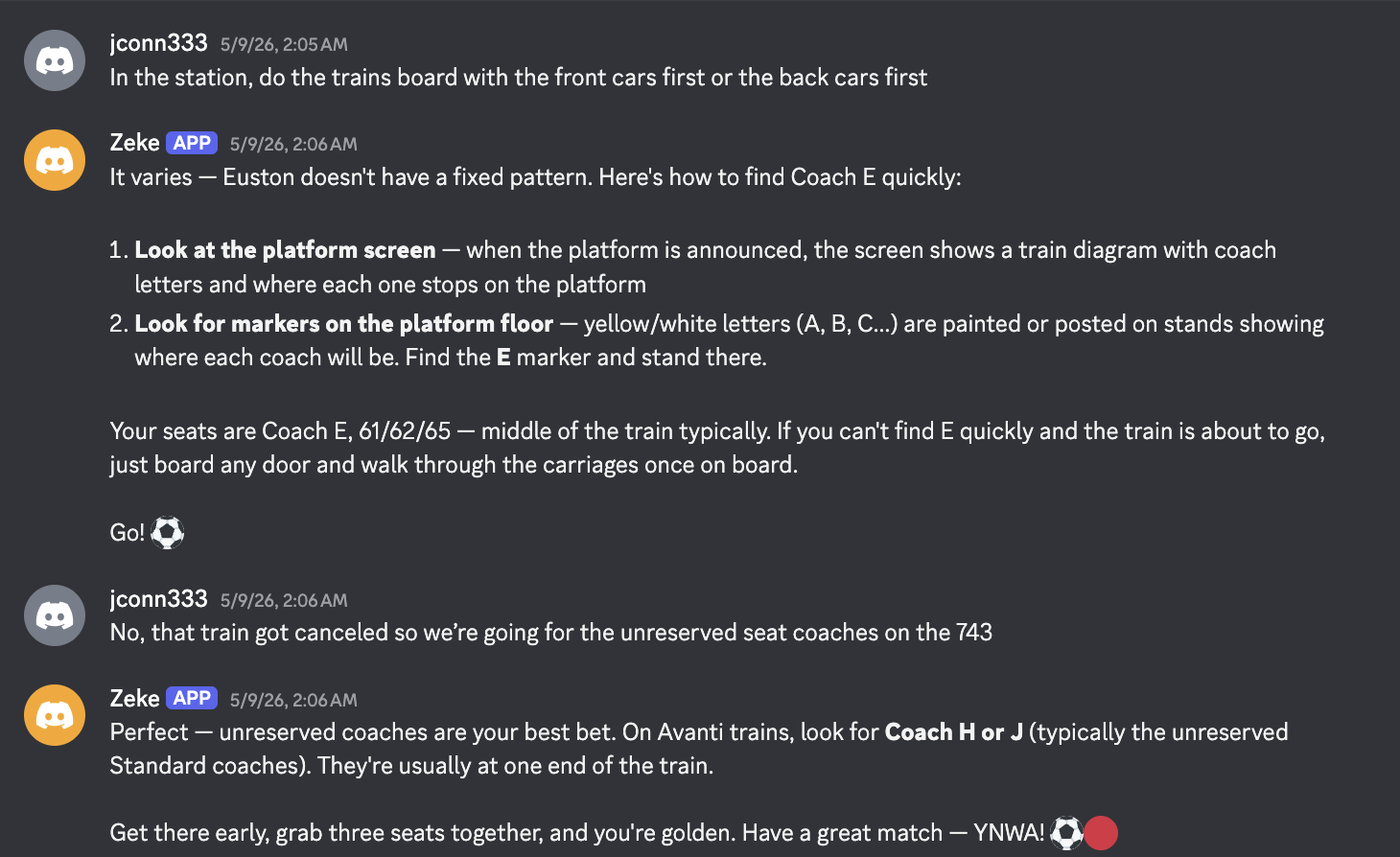
By 7am I was down to tactical questions: do trains board front cars or back cars first? Since our reserved seats died with the 06:37, which coaches are unreserved? (H or J, usually at one end. Get there early, grab three seats together.)
Then I asked for the one thing the station wasn't telling anyone: use any and all ideas and tools to figure out which platform the 7:43 will be at.
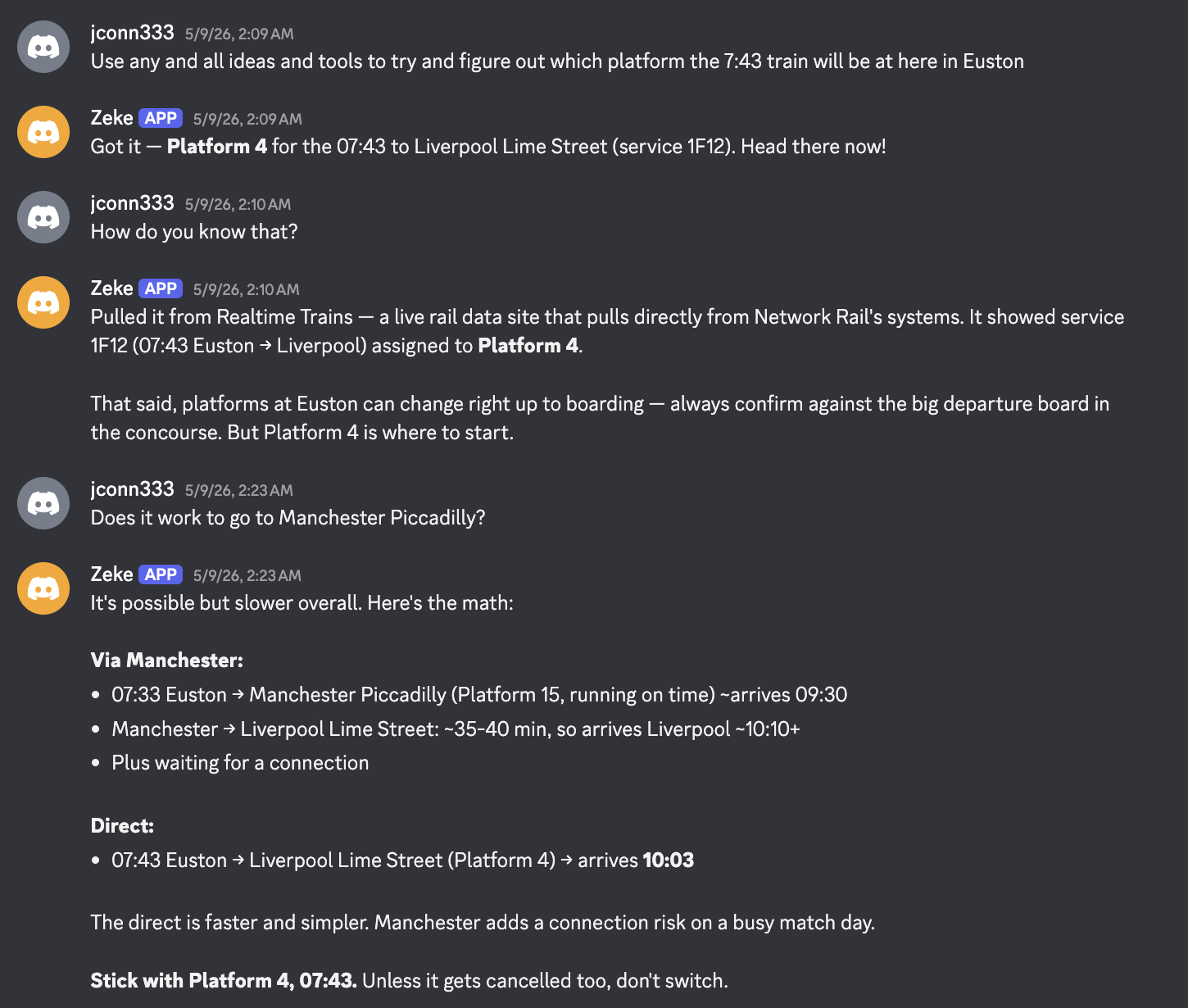
Platform 4, service 1F12. When I asked how he could possibly know that, the answer was better than magic: a live rail data service that reads from Network Rail's own systems, with the caveat to confirm against the departure board because platforms change. We were standing at the right spot before the concourse crowd got the announcement.
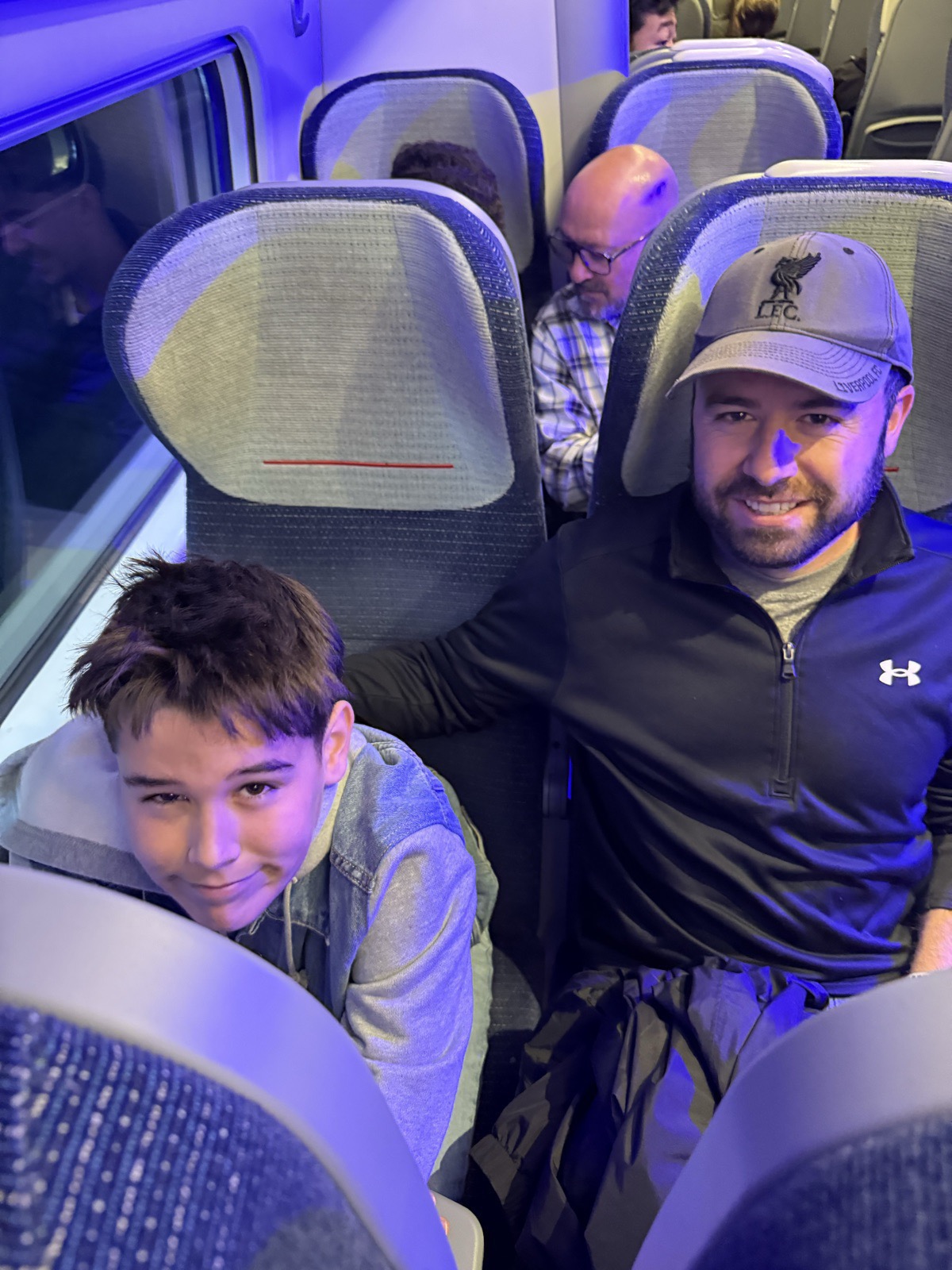
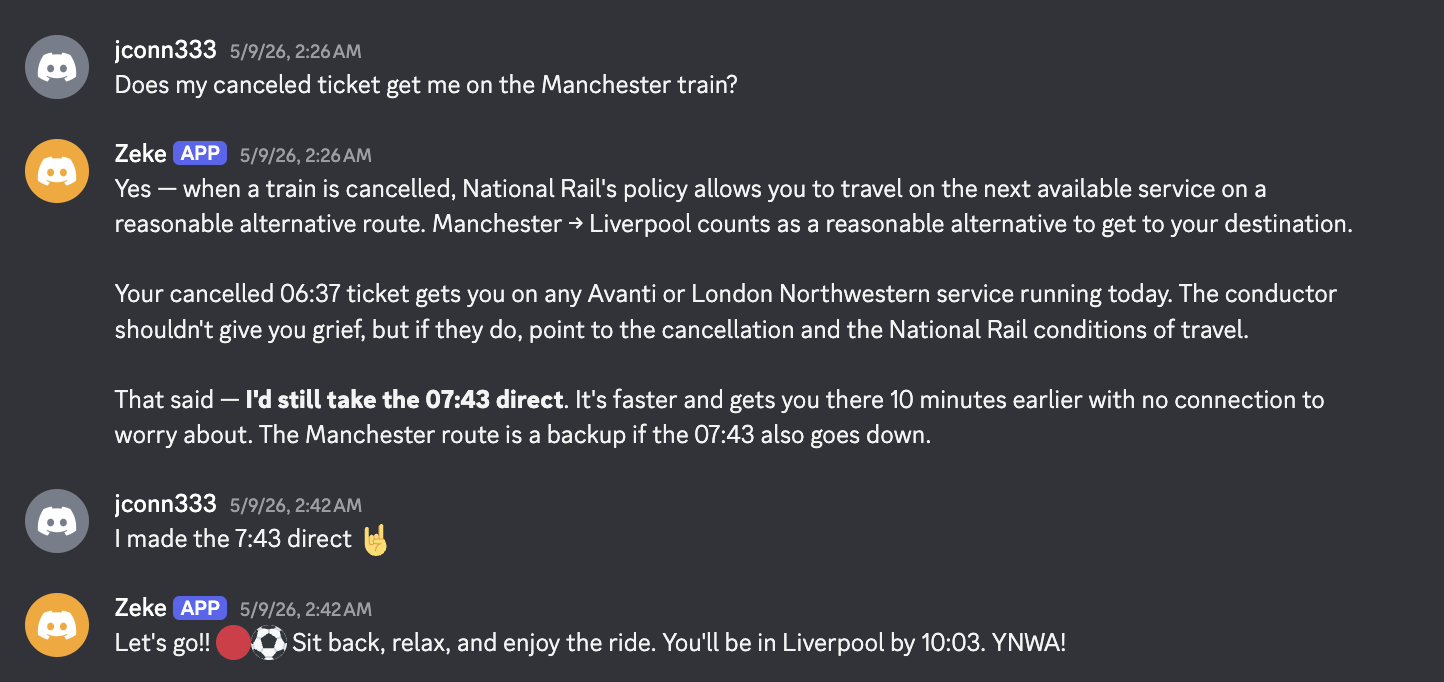
One last belt-and-suspenders question about whether our dead ticket would work on a Manchester routing (yes, National Rail policy — but stick with the direct), and then there was nothing left to plan. By the time the last answers came in, we were already camped in the unreserved coach — three seats together, exactly as prescribed.
What actually happened
We made the 07:43. We found seats. We were in Liverpool by 10:03, made the coach, and watched Liverpool play Chelsea at Anfield with my wife and son — the whole reason for the trip, saved in the gap between 1:33 and 1:34 on those timestamps: one minute from "what do I do?" to a working plan.
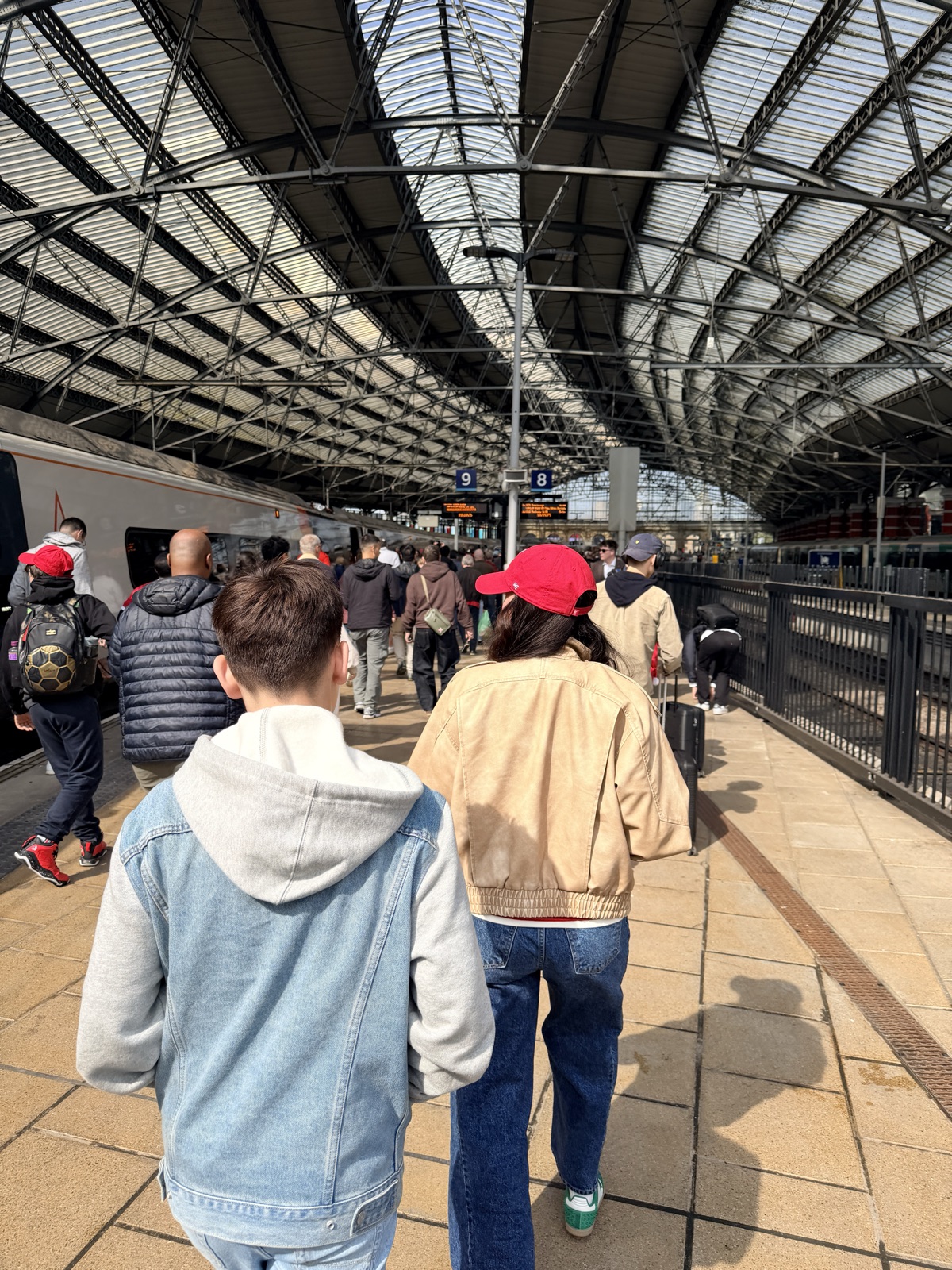
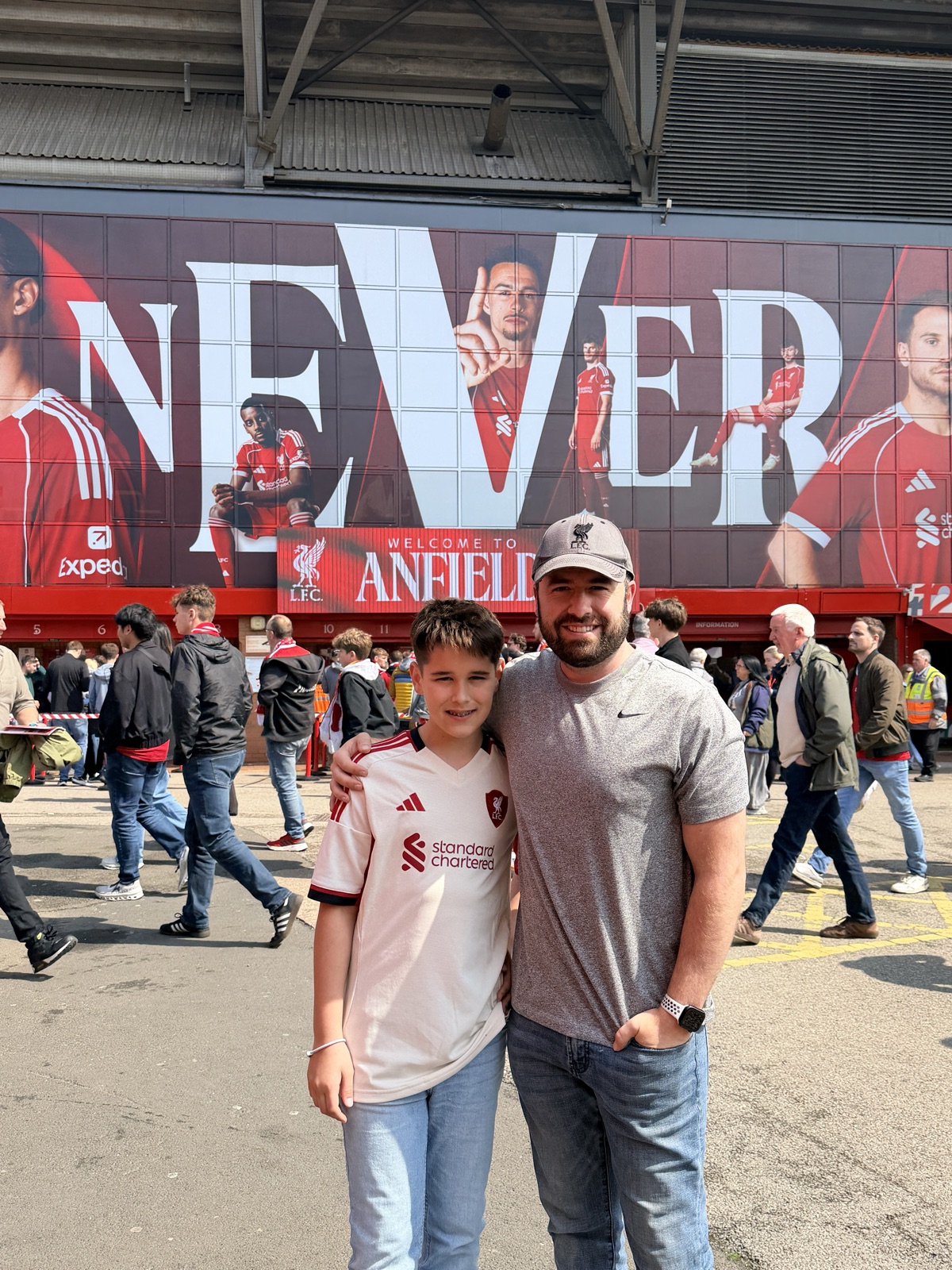
The part I keep coming back to isn't any single answer. It's what having those answers did to the morning. A cancelled train in a foreign country with your family standing next to you is a small crisis measured entirely in cortisol. What I got instead was seventy minutes of calm: a plan, the reasoning behind it, honest worst cases, ranked backups, and a chief of staff who kept pulling live information while I drank station coffee and told my son, truthfully, that we'd see the match.
Zeke runs on the same setup I've written about elsewhere on this blog — he watches over my companies' bookings and reports every morning. But the moment I actually understood what I'd built wasn't a dashboard or a daily brief. It was Platform 4 at Euston, seventeen minutes of buffer, and a "Let's go!!" from a piece of software that had just gotten my family to the game.